Most fireworks are designed to go up — far away, high overhead, watched from behind a safety line. Stage and close-proximity pyrotechnics (舞台烟火) are the opposite discipline. They are built to fire a few metres from a singer, a bride, a TV presenter or a sales team holding champagne. Smaller charges, tighter tolerances, cold-burning wherever the physics allow. That inversion is why the space a venue can actually give you, rather than the effect you had in mind, usually settles which family you are buying from; the logic is set out in our guide to sourcing fireworks by event type.
One product has done most of the work to reshape this category: the cold spark machine (冷焰火). In a few short years it moved from a niche stage toy to a line that wedding and indoor venues now ask for by name.
This guide is written for the buyer putting close-proximity effects into an order — what each family actually does on a stage, the specs that decide whether a product fits the room you sell into, and where the paperwork changes before you load it into a container.
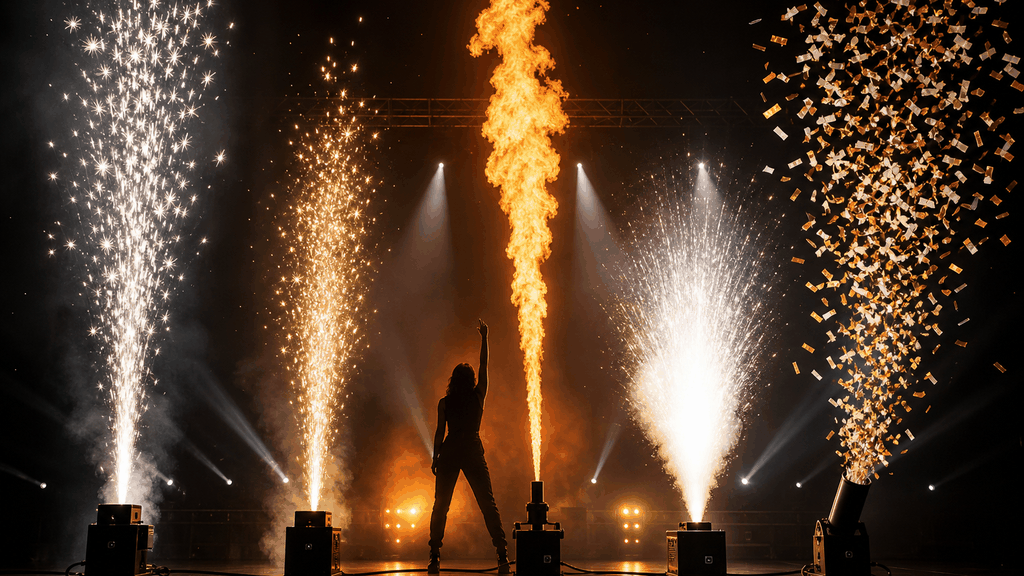
What "Close-Proximity" Actually Means
In the trade, "proximate" is not a marketing word — it is a distance. A normal display shell is fired with the audience tens or hundreds of metres back. A proximate-audience effect is one designed and rated to fire within roughly 15 metres (50 feet) of people — and each effect carries its own minimum separation, which the operator has to hold on the night rather than judge by eye. Everything about the product changes to earn that distance:
- Less composition per device. A stage gerb might hold a few grams where a display fountain holds hundreds. Energy is traded for control.
- Lower or "cold" burn where possible. The effect is engineered to throw light and motion without the heat that would scorch a ceiling, a costume or a guest.
- Tight, repeatable timing. A stage cue has to land on the beat, every show. Consistency matters more than raw power.
- Low smoke and low fallout. Indoor venues will not tolerate haze that sets off detectors or debris that lands in the front row.
Get that framing right and the catalog makes sense. There are five families in play on a close-proximity stage — and they are not interchangeable.
The Five Families Buyers Ask About
1. Gerbs & Stage Fountains
Controlled spark jets — the workhorse of stage pyro. A packed tube throws a column of sparks to a set height for a set duration (a "3M30S" fountain means roughly a 3-metre jet for 30 seconds). Silver and gold are the volume sellers; coloured versions exist. True pyrotechnic gerbs burn hot and need a back-clearance, but they are cheap per shot and read beautifully on camera.
2. Flame Projectors
Clean fire columns on cue. Two technologies: propane (LPG) flame heads, which are reusable, DMX-triggered and throw a tall fireball with no fallout, and single-use pyrotechnic flame bags. Concert and festival staple. The heat signature is large, so flame heads need the most overhead and side clearance of anything in this list.
3. Concussions & Flash Pots
The bang that lands with the beat, and the bright flash that punctuates a reveal. Concussion mortars produce a deep, felt thump with minimal visible effect; flash pots give a sharp flash and report. Both are small-charge, high-impact devices used to mark a moment rather than fill the sky.
4. Cold Spark Machines (冷焰火)
The category's growth engine. An electric machine heats titanium-based granules to throw a fountain of sparks that leave the unit far cooler than a pyrotechnic gerb — cool enough that many venues will clear them for indoor use when set to the rated clearance. Reusable, remote-triggered, refilled from a bag of granules. This is the device that turned stage pyro from a specialist line into something the wedding trade asks for.
5. Confetti & Streamer Launchers
The celebration payload — paper or metallic confetti and streamers fired by pyro charge or compressed air / CO₂. Not "fire" at all in the CO₂ version, which usually makes it the easiest effect to get a venue to sign off. Pairs with everything else in the list and closes a show. Refills (confetti paper, streamers) are the repeat-purchase item.
The assortment we actually supply for this market: smokeless / ICE stage fountains + cold flame conics + confetti covers the overwhelming majority of weddings and corporate gigs. The electric cold spark machines, flame projectors and concussions a big show may also use come from specialist SFX houses, not a fireworks factory like ours — we make the pyrotechnic effects that sit beside them.
Cold Spark Machines: Why They Took Over
It is worth understanding the one product reshaping this category, because the sales pitch and the safety reality are both real and both matter.
A traditional spark fountain is a pyrotechnic: light it and the composition burns. A cold spark machine is a special-effect device — an electric heating element flings titanium-based granules through a hot zone, and the granules glow and throw sparks as they fly. The granules carry no explosive composition, the machine is reusable, and the sparks shed heat fast in air, so they leave the unit far below the temperature of a real gerb. That is why planners increasingly run a row of them along an indoor wedding aisle, set back to the rated clearance, rather than a pyrotechnic fountain. For a head-to-head on cost, safety and shipping, see our cold spark machine vs. gerb / fountain comparison.
The classification is where the commercial story sits. Because the consumable is titanium granules and the device is electric, many markets treat a cold spark machine as a special effect rather than a firework — which can mean an easier indoor approval than a full pyrotechnic. That gap explains a lot of the demand: it opened a spark effect to the wedding and corporate-events market that pyrotechnic rules had largely kept out. But 'special effect' is not 'unregulated': in the US, NFPA 1126 still covers these devices, and many jurisdictions require a permit, a licensed operator and fire-marshal approval. How your destination classifies it is something to confirm in writing — not assume.
"Cold" is relative, not literal. The sparks are far cooler than pyrotechnic gerbs and are designed not to ignite most fabrics at the rated clearance — but the machine still produces a real heat plume. Respect the manufacturer's minimum height and clearance, never aim at faces, and confirm the venue's fire marshal is happy in writing. Sold honestly, it is a safe and spectacular effect; sold as "totally safe, fire anywhere," it becomes a liability.
Reading a Stage Pyro Spec Sheet
Close-proximity products live and die on three numbers: how far the effect throws, how long it runs, and how much clearance it needs. A buyer who quotes on "looks impressive" instead of these numbers will ship the wrong thing into a low-ceiling ballroom.
| Effect | Nature | Typical Throw | Heat / Fallout | Indoor Use | Best Use Case |
|---|---|---|---|---|---|
| Cold Spark Machine | Electric special effect | 1–5 m jet | Low — cool sparks | Often — with permit + sign-off | Wedding aisle, indoor reveal |
| Stage Gerb / Fountain | Pyrotechnic (1.4G) | 1–5 m jet, 20–45 s | Medium-high — hot sparks | Smokeless / ICE types only | Concert riser, TV set |
| Flame Projector | Propane or pyro | 2–8 m column | High — large heat plume | Rarely — outdoor / large stage | Festival main stage |
| Concussion / Flash Pot | Pyrotechnic (1.4G) | Sound + flash, minimal throw | Low debris, loud | With operator & clearance | Beat hit, big reveal |
| Confetti (CO₂ / air / pyro) | Pyro charge or compressed gas | 5–15 m spread | Low — paper; check pyro cartridges | Usually, with venue sign-off | Show finale |
On the pyrotechnic side, the SKUs that clear indoor ballrooms are the smokeless and "ICE" (cold-flame) fountains and cakes — engineered for low smoke and a cooler burn so they pass a venue's fire check. They sit alongside the electric cold spark machines as the two ways to put sparks on an indoor stage — and the pyrotechnic side is the half a Liuyang factory like ours builds.
Featured Series from the Liuyang Catalog
A snapshot of the close-proximity SKUs we ship most often — built and packed in our own factory in Chengchong Town and bundled into mixed containers across the wider Indoor & Stage Fireworks range. A balcony-hung waterfall clip is on the videos page — it shows the effect type, not a named SKU.
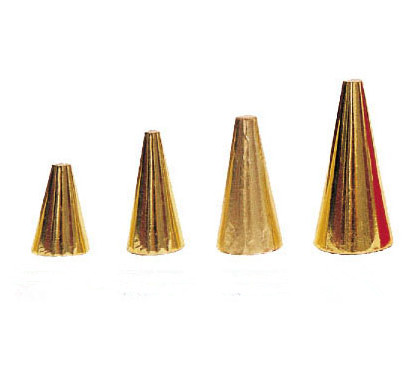
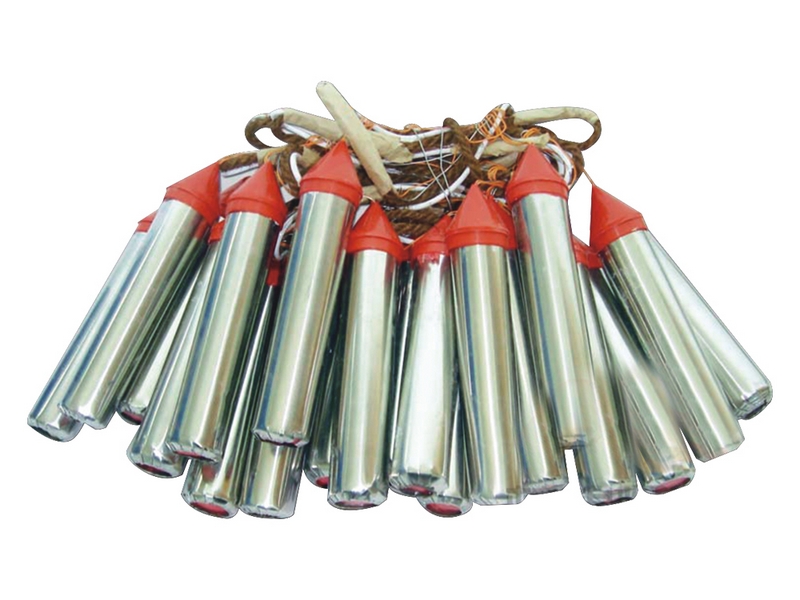
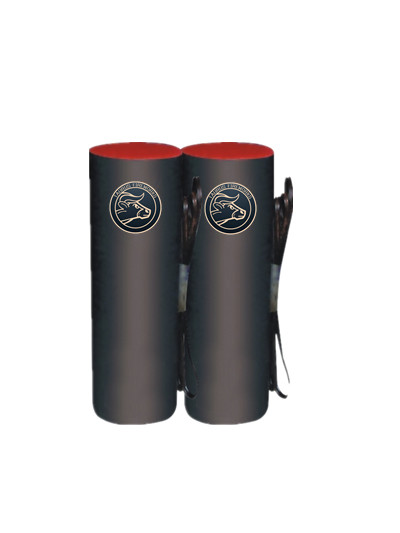
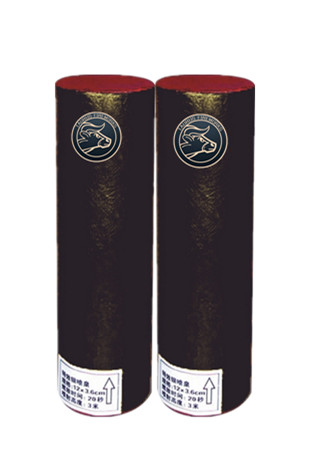
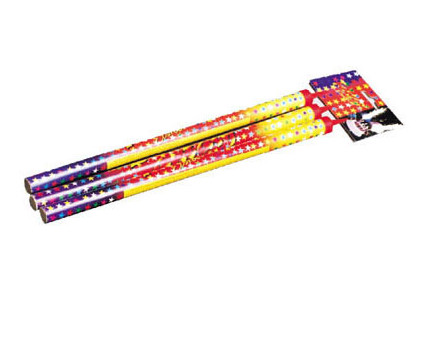
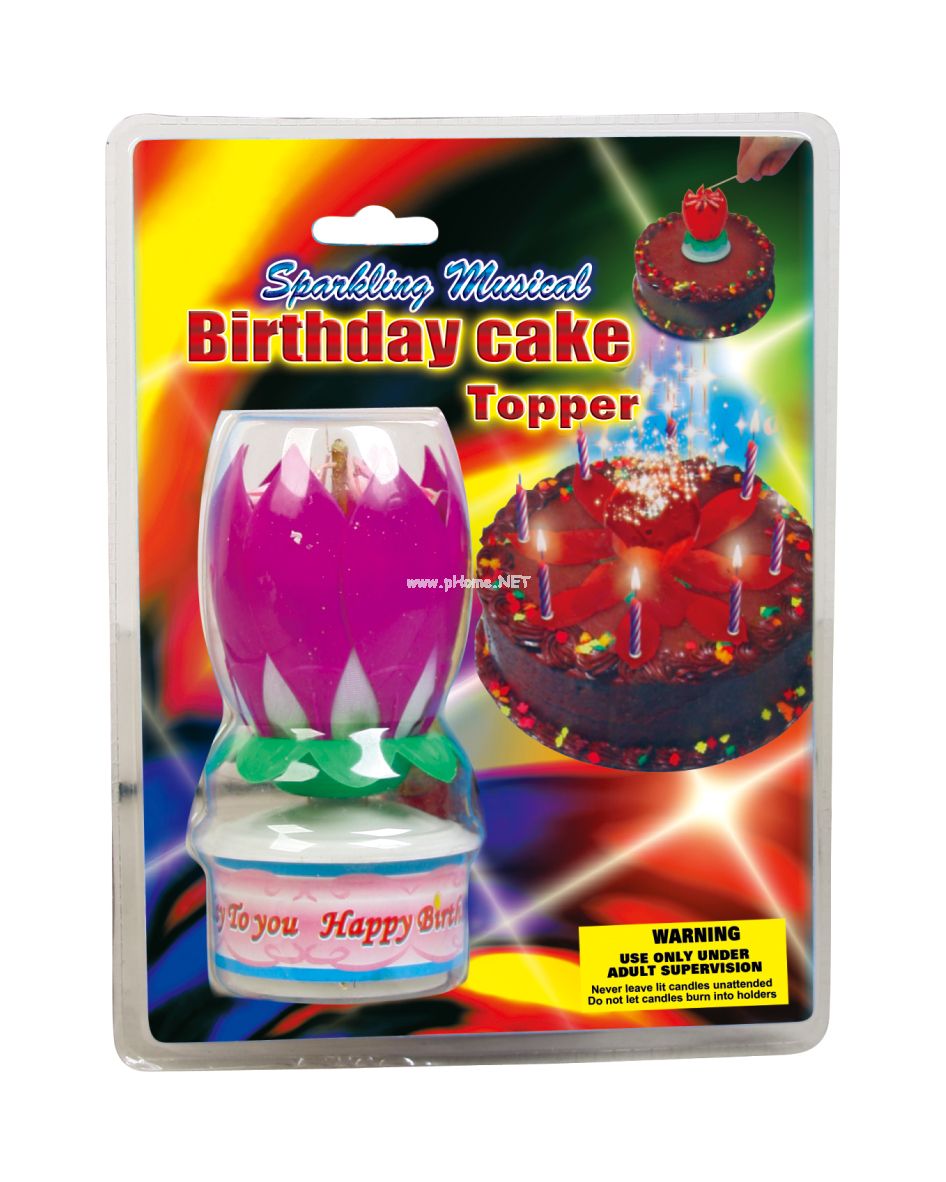
The full list — including Color Cake Fireworks 10CM 30S, Red Light Flames, the silver Heart, Pentagon and Triangle Wheels and the UFO — sits inside category 12 of our global wholesale catalog, alongside the daytime colour smoke range and event sparklers that ship in the same event-supply box.
Telling Stage-Grade from a Repackaged Consumer Toy
The single most common mistake in this category is buying a consumer fountain with a "stage" sticker on it. A genuine close-proximity product is engineered differently, and three things give it away.
- Smoke and residue. Stage-grade fountains use cleaner compositions that leave little haze and almost no fallout. Fire a sample indoors — if it fogs the room or rains debris, it is a consumer item in a costume, and it will fail a venue's fire check.
- Burn consistency and quoted duration. A "30S" fountain should run close to 30 seconds, every unit, with an even jet. Cheap stock front-loads then sputters. On a stage cue, an inconsistent burn ruins the moment.
- Cold spark machine build quality. For the electric units, the heating element and granule-feed are everything. A poorly built machine clogs, sparks unevenly or overheats. Granule purity matters too — dirty titanium throws yellow, inconsistent sparks instead of clean white.
Test the way the venue will. Fire stage consumables indoors, against the actual ceiling height you will sell into, and watch the smoke detector. One clean sample under real conditions tells you more than any spec sheet.
Where Close-Proximity Pyro Gets Used — Venue & Buyer Segments
Close-proximity is defined by the room, not the effect. The same smokeless fountain reads completely differently in a ballroom, a TV studio and a nightclub, so buyers cluster into five segments — each shopping for a different mix of the same catalog.
- Wedding & events distributors — the largest segment. First-dance cold-flame fountains, aisle and cake-topper sparklers, and low-smoke indoor cakes are the core SKUs, and cold spark is the draw because many indoor venues that refuse open flame will accept it once the fire authority signs off. The hospitality side of this demand overlaps our GCC hotel and wedding pyro guide.
- Concert, touring & TV production — operators firing to a cue in front of an audience, working under T2 / NFPA 1126 rules with a licensed pyrotechnician. This segment values burn-time repeatability and low residue above all, because a mistimed or smoky effect ruins a broadcast take.
- Nightclubs, hotels & HoReCa — venues running recurring or nightly effects (bottle-service sparklers, stage waterfalls, birthday-cake toppers) want reliable reorder and effects that pass a fire marshal every time, so consistency beats novelty.
- Corporate launches, expos & brand events — one-off indoor moments such as product reveals, ribbon cuttings and gala finales, where the effect has to be dramatic yet leave a hotel or convention ceiling untouched.
- Stadiums, clubs & sporting venues — the same catalog bought on a completely different rhythm: standard matchday kits repeated across a fixture list, plus goal and entrance effects whose consumption nobody can forecast. Buying by the season rather than by the show is the whole problem, and we set it out in our stadium and sporting-event sourcing guide.
The practical rule: fix the venue and its fire authority first, because the room decides whether the effect is a licensed pyrotechnic cue or a cold-spark effect — and in the US the latter is not the lighter permit it is sold as, since NFPA 1126 reaches pyrotechnic effect simulation equipment. Settle that before any SKU is chosen.
Party distributors who want this effect in the hand, rather than from a cold spark machine, can order a handheld cold spark stick. It is quoted on its own and does not go in the 1.4G container.
Compliance for a Proximate Audience
This is where close-proximity differs most from ordinary fireworks, and where a careless quote turns into a cancelled show. The rules split by what the effect is, not just where it ships.
- EU — theatrical categories T1 / T2. Stage pyrotechnics are classed separately from consumer fireworks (F1–F4). T1 covers low-hazard stage articles; T2 is for use only by people with specialist knowledge. CE marking and EN-standard certification for theatrical articles apply; the wrapper category must match the destination's rules.
- US — NFPA 1126 + ATF. Firing pyrotechnics in front of a proximate audience falls under NFPA 1126, which generally requires a licensed operator and a local permit. Stage consumables ship as UN0431 / 1.4G, and federal explosives rules exempt the importation, distribution and storage of qualifying UN0431 and UN0432 articles pyrotechnic at 27 CFR § 555.141(a)(7) — an exemption that leaves the adopted fire code, its quantity limits, the venue and the insurer entirely in place, so use still answers to the local fire marshal.
- Cold spark machines & CO₂ confetti. Often regulated as special effects rather than pyrotechnics on the import side — the machine is not Class 1 — but the use side frequently is not lighter at all: in the US, NFPA 1126 folds pyrotechnic effect simulation equipment into its definition of a pyrotechnic device, so permit and operator licensing can follow it, and the venue's fire authority applies either way. Confirm the classification in your specific market in writing; do not assume "not a firework" means "no approval needed."
- China export side. Pyrotechnic stage consumables ship with CIQ export inspection, the factory's safety production licence, and a UN classification matching the Dangerous Goods Declaration. Destination-specific approvals, such as a US DOT EX number, are prepared for the market each shipment goes to, like the rest of our catalog. The electric machines themselves are not pyrotechnics and move as general cargo — they are sourced separately and are not part of what we ship.
Sourcing Wholesale from Liuyang
Pricing & MOQ
Indicative FOB ranges out of Liuyang for the pyrotechnic stage line we actually build — the close-proximity effects that ship as consumables:
- Smokeless / ICE stage fountains and cakes — $0.40–2.50 per unit by size and duration
- Cold flame conics and silver stage waterfalls — priced per unit by burn time, quoted with the rest of the stage mix
- Cake-topper sparklers and silver cakes — priced by size; the year-round HoReCa line
These ride the standard MOQ — one mixed 20GP across cakes, candles, fountains and stage items. The electric cold spark machines, flame projectors and concussions you may also be planning for a show are SFX hardware sourced elsewhere — we build the pyrotechnic effects that run beside them, with the compliance paperwork for your market.
The build most event-supply buyers want
A typical first order for a wedding / events distributor: a few hundred smokeless and ICE stage fountains, a run of cold flame conics, a topper line like the Birthday Cake Topper for the food-and-cake market, and confetti — all bundled with the consumer mix so the freight and compliance ride one shipment.
Why Liuyang on This Category Specifically
Stage pyro punishes shortcuts in a way display fireworks hide. A hot, smoky fountain fired 200 metres away is forgiven; the same fountain fired three metres from a bride is a disaster. Liuyang's advantage is the same local ecosystem that makes the rest of the catalog work — composition chemistry, clean smokeless formulas, tube assembly and CIQ test firing inside one industrial cluster — now pointed at the tighter tolerances close-proximity demands. That integrated base is what lets us hold the consistency a stage cue needs, batch after batch.
FAQ
Are cold spark machines actually cold?
Cooler, not cold. The granule sparks leave the unit far below a pyrotechnic gerb and shed heat fast, so they're designed not to ignite most fabrics at the rated clearance and feel far gentler than hot pyro sparks. It's still a heat source — never aim it at a face or box it inside a closed tent — but the difference is real, which is why venues that ban pyro fountains will often still clear cold spark units indoors.
Is a cold spark machine a firework or a special effect?
In many markets it's a special-effect machine, not a pyrotechnic — the granule contains no explosive composition and the device is electric. That helped demand climb fast, but 'special effect' isn't 'no rules': in the US, NFPA 1126 covers these devices and many places still require a permit, licensed operator and fire-marshal sign-off. Confirm your local rule in writing before you promise a client an indoor effect.
What's the difference between a gerb and a cold spark fountain?
A gerb is a true pyrotechnic — a packed tube that burns hot and throws a spark jet, fired at a clearance with an operator. A cold spark fountain is an electric machine that heats titanium granules to throw cooler sparks, reusable and remote-triggered. Gerbs cost cents per shot and ship as dangerous goods; machines cost more up front and are accepted in many venues that refuse open flame, but they remain a pyrotechnic effect requiring the fire authority's sign-off rather than a lighting fixture.
Can I mix stage pyrotechnics into a normal fireworks container?
Our stage consumables, yes. Indoor gerbs, smokeless and ICE fountains, cold flame conics and pyro/ignitor confetti ride the same mixed 20GP as cakes and candles, as 1.4G/1.4S goods; paper and CO₂ confetti carry no pyro charge and travel as ordinary goods. The electric cold spark machines and flame projectors some shows use are SFX hardware sourced separately — we don't ship those; we build the pyrotechnic effects that run beside them. A handheld cold spark stick for party distributors is quoted on its own and does not go in that container.
What approvals do I need for a proximate-audience show?
It depends on the effect and the market. In the EU, stage pyro sits in T1 / T2 theatrical categories, with T2 reserved for trained operators. In the US, proximate-audience pyrotechnics fall under NFPA 1126 and usually need a licensed operator and a permit. Cold spark machines are sometimes classed as special effects, but in the US they too fall under NFPA 1126 and many places still require a permit and licensed operator, plus the venue's fire-marshal sign-off — get it in writing.
Which venues and buyers use close-proximity pyrotechnics?
Five segments, split by the room. Wedding & events distributors are the largest — first-dance cold-flame fountains, aisle and cake-topper sparklers, low-smoke indoor cakes, with cold spark as the draw because many indoor venues that refuse open flame will accept it once the fire authority signs off. Concert, touring & TV production fire to a cue under T2 / NFPA 1126 with a licensed pyrotechnician, valuing burn repeatability and low residue. Nightclubs, hotels & HoReCa run recurring nightly effects and need reorder that passes a fire marshal every time. Corporate launches, expos & brand events want dramatic one-off indoor moments that leave the ceiling untouched. Stadiums, clubs & sporting venues buy the same catalog by the season rather than by the show, because goal and entrance consumption cannot be forecast. Fix the venue and its fire authority first — it decides a licensed pyro cue vs a cold-spark effect that still answers to the same permit framework in many places, and always to the fire marshal's sign-off.
Stage & Cold-Flame Pyrotechnics — Factory-Direct from Liuyang
Smokeless and ICE stage fountains, cold flame conics, stage waterfalls, cake toppers and confetti — the pyrotechnic close-proximity line from our own factory. Tell us the effect mix and the venue type you sell into, and we'll quote it FOB with the right indoor-grade SKUs and the compliance paperwork for your market.
WhatsApp Email