Wheels (转轮 / 风火轮) are the firework category most importers under-order — and the one a Liuyang sales rep often suggests adding to a mixed container at the end of the call. They are cheap, light, eye-catching at ground level, and they generally sit in one of the lower hazard tiers on the major compliance lists (F1 / F2 in the EU, 1.4G in the US). They are also the only consumer-firework family that spins, lifts and rotates on a single fuse, which is why a six-piece bag of UFOs tends to move quickly off a holiday-weekend shelf.
This guide is for buyers sourcing wheel and pinwheel fireworks wholesale from China. It covers the three build families a Liuyang export factory actually ships, the FOB ranges that turn up on a real quote sheet, and a country-by-country snapshot of which spinning formats clear which markets — most of them are accepted in most major destinations, which is the whole point of stocking the category.
What a Wheel Firework Actually Is
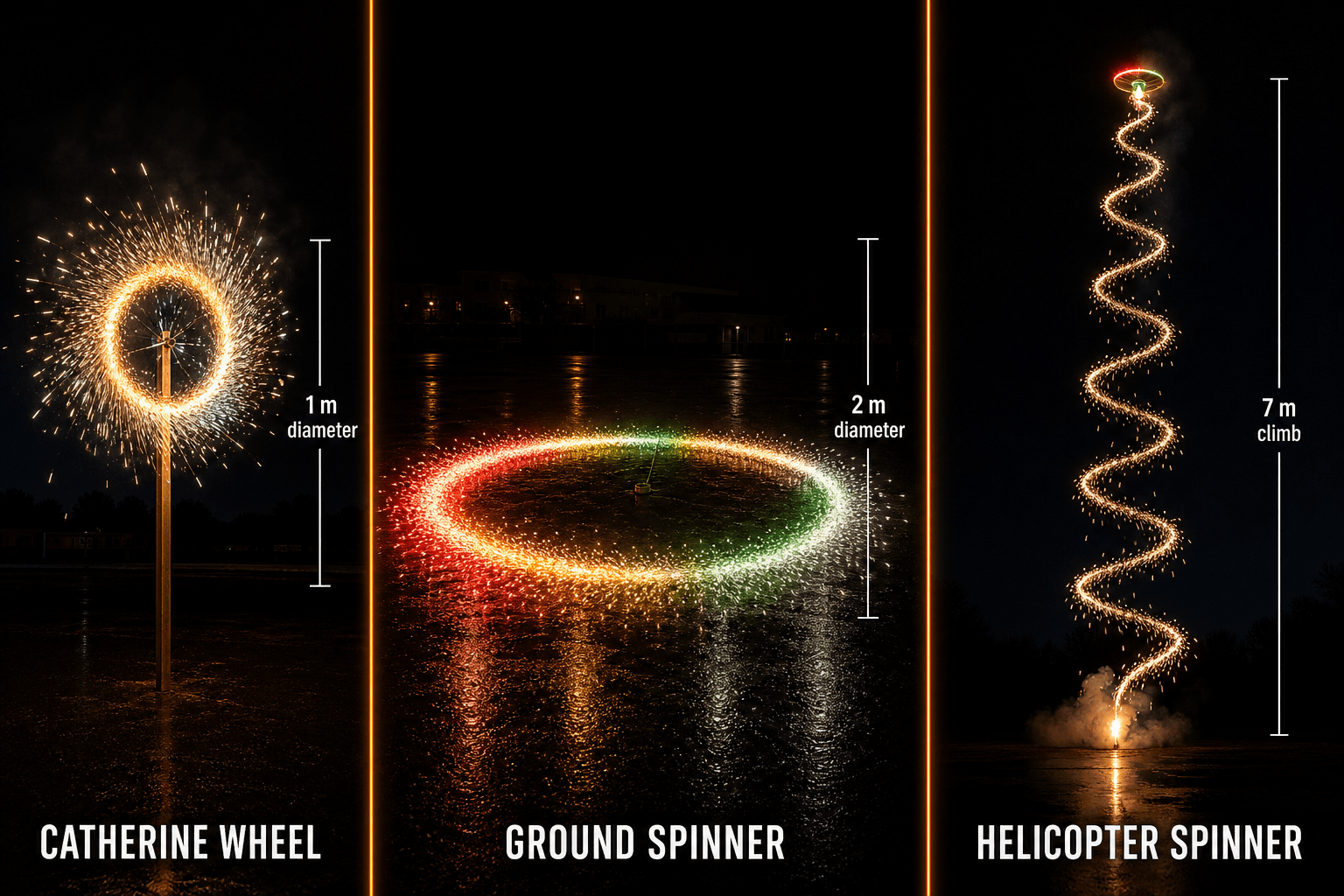
Strip the wrap and a wheel firework is a single pyrotechnic motor — a paper or plastic tube of slow-burning composition, vented sideways through one or more nozzles. The vented thrust is what spins the device. Where the nozzles point decides what shape the unit takes:
- Nozzles vent tangentially around a hub — the device rotates around a fixed axis. Pin it to a post and you have a Catherine wheel.
- Nozzles vent tangentially at the base — the device sits flat and spins on the pavement. That is a ground spinner (地旋).
- Nozzles vent tangentially and downward — the device generates lift while it rotates. It climbs into the air on its own propellant. That is a helicopter spinner or aerial spinner (飞碟).
Once the wheel is spinning, the spark column traces a circle in the air. A multi-phase wheel changes color or sound mid-burn — silver to red, gold to whistle, spinning the whole time. This is the same trick a multi-phase fountain uses, but instead of a vertical column you get a perfect circle. That circle is what makes a wheel firework photograph well even in a small backyard.
Because nothing leaves the ground spinner, and because the helicopter spinner self-extinguishes when it climbs out of fuel, most wheels carry a low-to-medium hazard distance compared to other consumer-firework formats. That typically places them in F1, F2 or F3 in Europe and 1.4G in the United States — no projectile classification triggered for the ground variants and no display licence required at retail in most markets (verify against the destination's current rules).
The Three Build Families You'll See in a Liuyang Catalog
Buyers ask for "wheels" or "spinners" and look at a category the factory has split three ways. The build family decides everything about pack-size, retail price point and which compliance box ticks — most retail shelves carry all three, in different ratios.
1. Catherine Wheels — The Spinning Post-Mounted Classic
The original. A flat disc wrapped with a single composition tube, pinned to a vertical post (a fence, a wooden pole, a dedicated stand). Light the fuse, the disc rotates, and the spark column traces a circle 0.5–1 metre across in mid-air. Multi-phase Catherine wheels stack two or three composition layers on the same disc and shift through gold, silver, red, green, plus crackle on the back end.
The Liuyang catalog covers the small consumer end (Spinner Fuse TF2715) and the multi-phase mid-range (Double Tri-Wheel TF2719), where three concentric tubes deliver three sequential effect phases on the same hub. Smaller, cleaner-burning Catherine wheels also live in our indoor-stage SKU set — the geometric Heart Wheel (TF1216), Pentagon Wheel 3M30S (TF1219) and Triangle Wheel 1M30S (TF1220) — built on titanium-based cold composition for weddings and corporate events.
2. Ground Spinners (地旋) — The Pavement Circle
The volume seller. A plastic or metal disc with the propellant nozzles vented at the base — set it on the pavement, light the fuse, and the device rotates 8–20 seconds throwing a circle of sparks 1–3 metres across at ground level. Cheap, fast, and visually disproportionate to the FOB cost. Bumble Bee (TF2703), Sunflower (W504), Camellia Flower (K1126B), Red Bug (TF2709), Lotus No.3 (T3505), Colourful Chrysanthemum (W608) and the classic Ground Bloom Flower (0901) all live here.
Ground spinners have a peculiar economic property — they are one of the smallest, lightest high-visibility consumer fireworks you can ship. A retail bag of 12 ground spinners weighs less than a single 200g cake but covers the same display window when shoppers walk by. That is why factories sell them by the bag and importers tend to pack them as filler in any spare CBM at the top of a container.
3. Helicopter / Aerial Spinners (飞碟) — Spin, Lift, Climb
The build family that hides an aerial firework inside a wheel chassis. Angled rotor vanes generate lift while the device rotates; the unit lifts off the ground, climbs 5–25 metres while spinning, and self-extinguishes at apogee. Some helicopter spinners drop a payload on the way up — Plane Drops Parachute (0434), for example, ejects a small parachute mid-climb — and others (Spring Butterflies W526, Butterflies Welcome Spring TF2712) release small effect heads at altitude.
On the Liuyang shelf this includes UFO (TF2710), Space Flyer (TF2704), Space Ship (TF2708), Plane Flying At Night (W522), Flying Diamond (TF2713), Starry Whistling (114) and the parachute-payload set. EU placement uses EN 15947 / CE; US placement is typically 1.4G under DOT. They tend to photograph well — the spinning trail is a continuous spiral rather than a single break, which reads cleanly even at a small backyard distance.
The rule we use when building a wheel assortment for a mixed container: ground spinners 60%, helicopter spinners 30%, Catherine wheels 10%. Skews heavier to ground spinners for retail bag programmes; the indoor-stage Heart / Pentagon / Triangle Wheels sit on a separate quote sheet because the venue compliance path is different.
Specifications, Spin Time and FOB Ranges
Effect names sell the shelf, but the factory works in motor diameter, spin duration and pack count. The figures below are indicative export-grade ranges from our Chengchong Town production — useful for early sourcing decisions and order budgeting, but every quote ships with a current SKU-level spec sheet, so request that sheet before you finalise pricing or pack-out.
| Build Family | Chassis & Size | Spin / Climb Profile | Effect Time | Tier | FOB Range |
|---|---|---|---|---|---|
| Ground Spinner (地旋) | 40–80 mm disc | 1–3 m circle on pavement | 8–20 sec | Consumer (F1 / F2 / 1.4G) | $0.12–0.40 / pc |
| Helicopter Spinner (飞碟) | 50–120 mm rotor | Lift 5–25 m, spin in air | 6–12 sec | Consumer (F2 / 1.4G) | $0.30–0.80 / pc |
| Aerial Spinner with Payload | 80–120 mm rotor | Climb + parachute / butterfly drop | 10–18 sec | Consumer (F2 / 1.4G) | $0.60–1.50 / pc |
| Catherine Wheel — Single Phase | 15–25 cm hub | Rotates on post, 0.5–1 m circle | 15–30 sec | Consumer (F2 / 1.4G) | $0.80–2.00 / pc |
| Catherine Wheel — Multi-Phase (Double Tri-Wheel) | 20–30 cm hub, 3 tubes | 3 effect phases, color & sound shifts | 30–60 sec | Consumer (F2 / F3 / 1.4G) | $2.50–5.50 / pc |
| Indoor-Stage Geometric Wheel (Heart / Pentagon / Triangle) | 30–50 cm hub, cold composition | Smokeless silver column, fixed geometry | 1m30s – 3m30s | Indoor / Stage | $4.00–12.00 / pc |
The single biggest cost driver across the whole category is pack count, not effect. A retail bag of 12 ground spinners at $0.18 / piece lands at $2.16 per bag — and that's a typical FOB number on a 1,200-bag pallet. Buyers who quote per-piece end up paying the same money for a fraction of the visual; quote per bag, per carton and per pallet, and the wheel category often out-margins many of the other lines on the container.
Featured SKUs from the Liuyang Catalog
A snapshot of the wheel and spinner SKUs we ship most often — built and packed in our own factory in Chengchong Town and bundled into mixed containers across the wider Liuyang fireworks product range. The full Ground Spinner & Helicopter category sits at category 4 of our wholesale catalog alongside multi-shot cakes, fountains, roman candles and the rest of the consumer sheet.
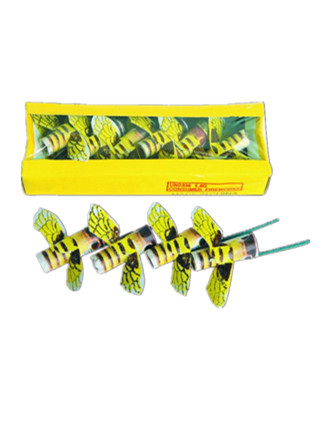
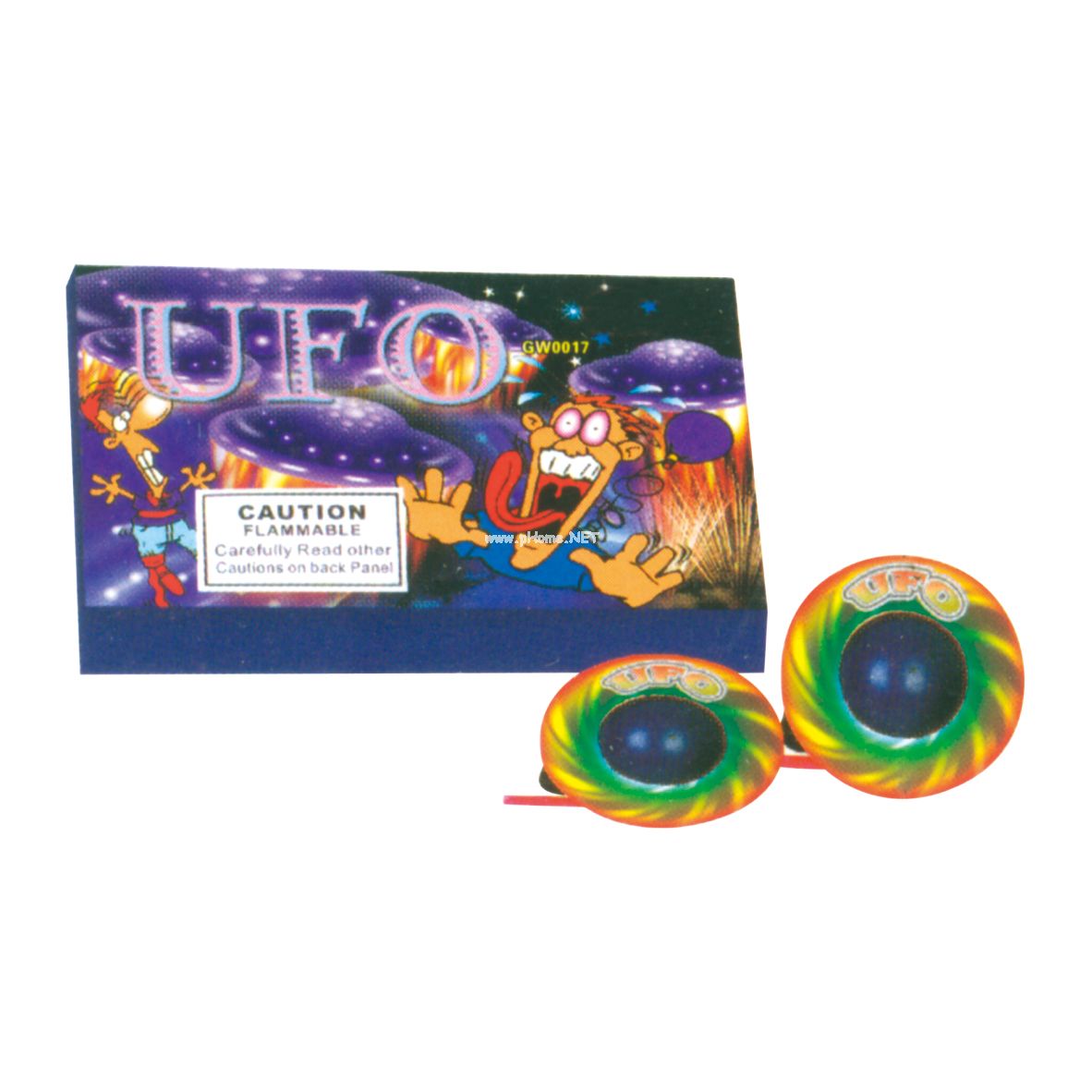
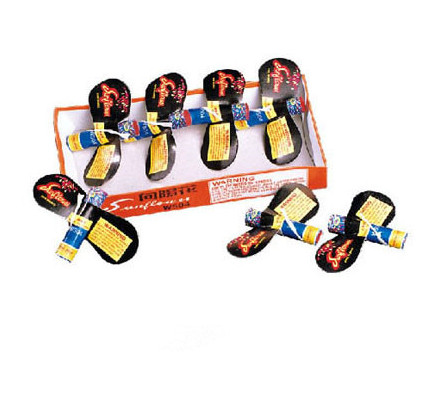
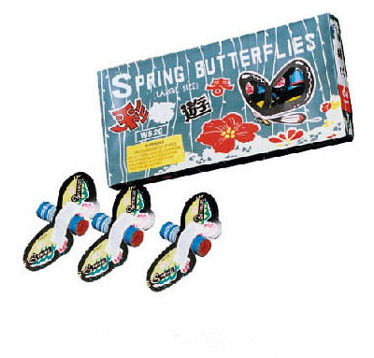
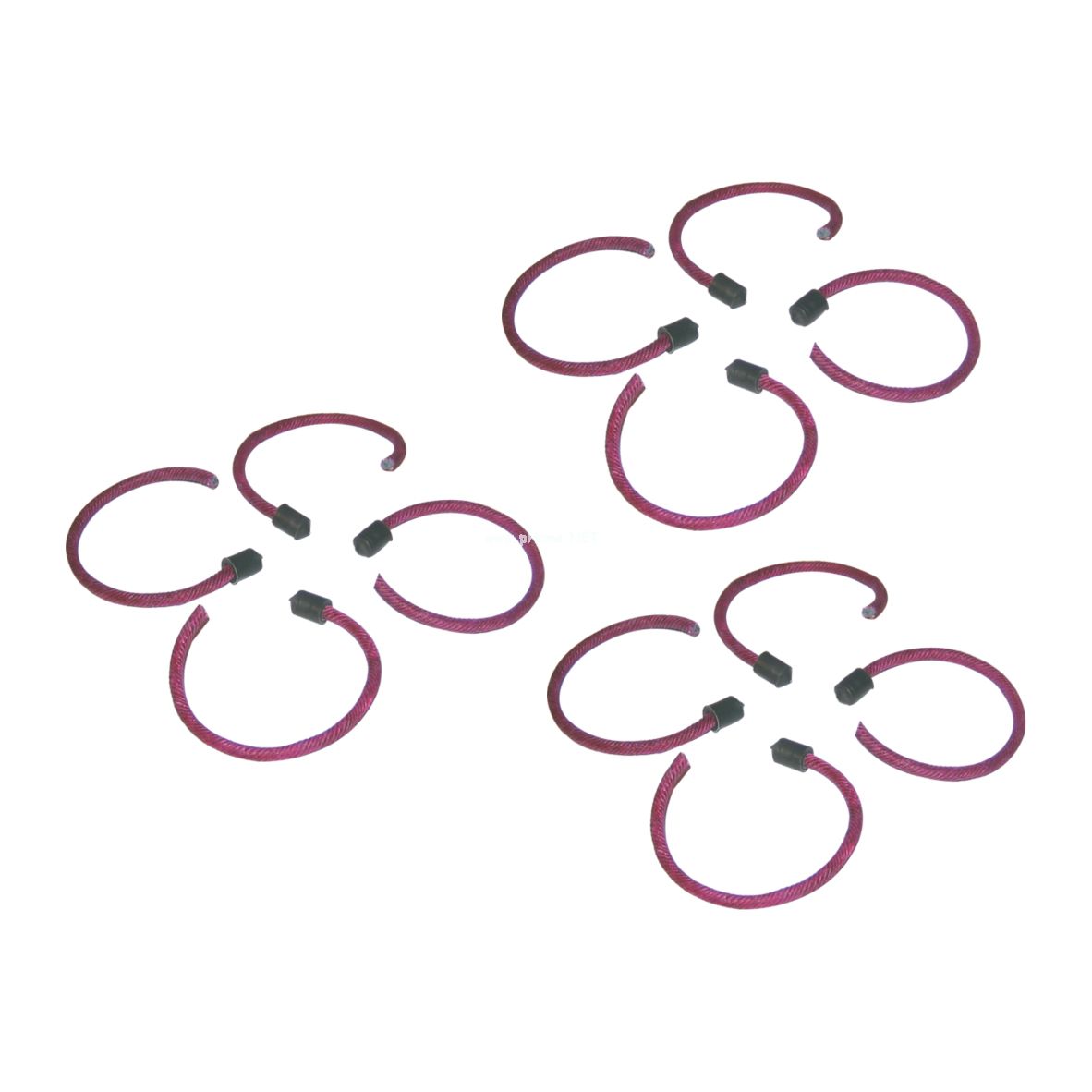
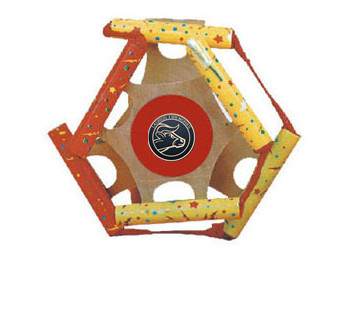
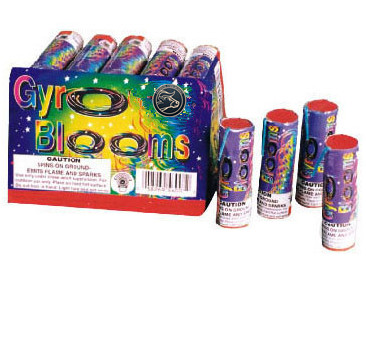
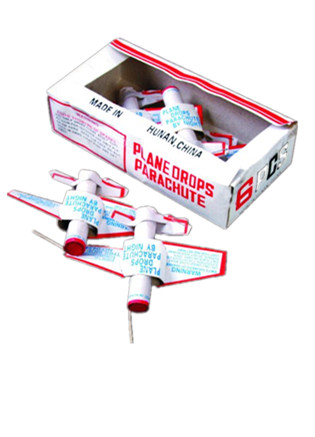
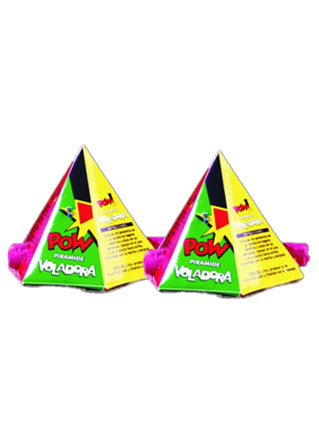
Beyond the consumer set, we also build a separate line of indoor-stage geometric wheels — Heart Wheel (TF1216), Pentagon Wheel 3M30S (TF1219), Triangle Wheel 1M30S (TF1220) — using titanium cold-burning composition, designed for controlled venue use with typical stand-off distances of 1–3 metres (subject to the product manual, the operator's pyro licence and local venue approval). Those sit under category 12 of our catalog and are quoted on a different sheet because the compliance path for indoor pyrotechnics is not the same as outdoor consumer.
Where Wheels Are Banned, Restricted or Still Free
The wheel category has one of the friendlier compliance pictures in the consumer-firework set — most ground spinners and helicopter spinners certify into the major markets without much friction. The two exceptions worth flagging are jumping-jack-style spinners (banned in much of the EU) and large helicopter spinners with whistle propellant (restricted in markets with strict noise rules). The snapshot below reflects the position as of 2026 — every entry is directional and should be verified against the current rules of the destination country, state or emirate before you book.
| Market | Ground Spinners | Helicopter Spinners | Catherine Wheels |
|---|---|---|---|
| EU (EN 15947) | Allowed (F1 / F2, CE marked) | Allowed (F2, CE marked) | Allowed (F2 / F3, CE marked) |
| United Kingdom | Allowed (F1 / F2) | Allowed (F2) — verify for jumping jacks | Allowed (F2 / F3) |
| United States | Allowed in 1.4G states; novelty class in some — verify | Allowed in most 1.4G states; check FAA airspace rules near airports | Allowed in 1.4G states |
| Mexico & Latin America | Volume seller — bag programmes year round | Volume seller | Solid mid-tier seller |
| Australia / New Zealand | Pro-only / restricted | Pro-only / restricted | Pro-only / restricted |
| Middle East / GCC | Allowed under SABER / DCD | Allowed under SABER / DCD — verify altitude rules | Allowed |
| Southeast Asia | Volume seller | Volume seller | Solid seller |
The single takeaway: outside Australia / New Zealand, the wheel category is one of the more widely accepted consumer firework formats — but the destination's current paperwork is what decides each shipment, not a snapshot. For destination-specific routes, our GCC compliance hub and distributor's guide for the Middle East & Latin America spell out the per-country rules; for first-time EU and US buyers the Liuyang import beginner's guide covers the CE / EN 15947 / CPSC route.
Telling a Good Wheel from a Bad One
Wheels look like the simplest pyrotechnic device on the catalog. They are also one of the fastest to make badly. After firing a few cases of cheap product, you stop reading the wrapper and start reading these three.
- Hub balance and rotor symmetry. On a ground spinner, all nozzles must vent identically — same diameter, same angle, same composition density. An unbalanced disc walks across the pavement instead of rotating in place; a helicopter spinner with one weak nozzle pitches sideways and crashes within 2 metres of the launch spot. Spin the disc on a finger before lighting: a balanced wheel spins true, a cheap one wobbles.
- Composition burn rate. Every wheel of the same SKU should spin for the same number of seconds. A batch where some units burn out at 6 seconds and others run the full 18 was filled by hand instead of an automated press. This is the most common QC defect on cheap ground spinners.
- Glue and chain-fuse joinery. On multi-phase Catherine wheels and aerial spinners with payload, the chain fuse links each phase. A glue blob between phases means the wheel either skips a colour layer or fails over to a single phase. On a premium Liuyang wheel the chain fuse is laid into a routed channel and covered with paper tape — clean, flat, no loops sticking out.
Always test-spin at least three samples from the same SKU before signing off on a pallet — and test on the same surface, in the same wind. One good wheel is luck. Three identical spins is a process. The wider firing-line checklist for any pyrotechnic product sits in our guide to spotting high-quality fireworks.
How Wheels Compare to Cakes, Fountains & Rockets
Wheels are not the loudest, the highest or the longest aerial product on the shelf. They win on price-per-effect, on compliance friendliness, and on the visual category — a spinning circle reads differently on camera than any vertical-jet or single-break format.
| Format | Effect Time | Hazard Distance | Restricted Markets | FOB Range |
|---|---|---|---|---|
| Ground Spinner (1 piece) | 8–20 sec ground circle | 3–5 m | AU / NZ pro-only | $0.12–0.40 / pc |
| Helicopter Spinner (1 piece) | 6–12 sec aerial spiral | 5–10 m | AU / NZ pro-only | $0.30–0.80 / pc |
| Multi-Phase Catherine Wheel | 30–60 sec spinning column | 5–8 m | Sells almost everywhere | $2.50–5.50 / pc |
| 200g Cake (25–49 shots) | 15–25 sec aerial | 20–25 m | Most aerial-restricted markets | $1.00–3.00 |
| Cylindrical Fountain (60 mm, 60 sec) | 60 sec ground column | 5–8 m | Sells everywhere | $0.60–1.80 |
| Stick Rocket (1 shot) | 3–5 sec aerial | 15–25 m | EU / UK / AU banned | $0.30–1.50 |
For a deeper read on the ground-fired side of the catalog, the fountain fireworks buyer's guide covers the cone, cylindrical and mine builds; for the rocket alternative to the helicopter spinner, the Liuyang rocket fireworks guide covers stick rockets and stickless missile batteries, including the country-by-country ban list that drives importers toward helicopter spinners in restricted markets.
Why Wheels Punch Above Their Weight in a Mixed Container
There is a quiet pattern across the containers we ship: buyers who treat wheels as a filler line under-order them for two seasons, then add a second pallet on the third PO. The reason is structural. Many ground spinners and the smaller helicopter spinners certify into the lower hazard tiers in Europe — F1 / F2, alongside snaps, party poppers and small handheld sparklers. That means the bag stays on shelves outside the regulated retail window in markets like Germany, the Netherlands and parts of the UK, where cake-class product can only sell for three days a year (Silvester).
On top of the year-round shelf, wheels often deliver more visual novelty per FOB dollar than the heavier formats next to them on the shelf. A six-piece bag of UFOs typically lands at $2–5 FOB, depending on size and pack format. A bag of ground spinners also tends to photograph well on social-media footage — useful when the buyer's own retail customers are the ones posting the videos. That is why the category quietly carries the season in markets where aerial product is restricted, and adds margin in markets where it isn't.
Who Buys Wheels — End-Use Segments
The margin case above is why wheels earn their place on the container; the end-use is why they sell through. Four buyer segments pull the category in different directions.
- Family and children's retail — ground spinners, Ground Bloom Flowers and small UFOs are a staple of the low-price, daytime-safe end of the shelf. This buyer wants a bright multi-piece bag at a keen per-piece cost and a hazard tier a general retailer can stock without a specialist licence.
- Restricted-market value shelf — in Germany, the Netherlands and parts of the UK, where cake-class product only sells for a few days a year, F1 / F2 spinners are one of the few formats that stay on the shelf year-round. Here the segment is defined by compliance, not by effect — the country-by-country picture is in the restrictions table above.
- Indoor-stage and event operators — geometric Heart / Pentagon / Triangle wheels tuned to fixed 1m30s or 3m30s durations ship to event and venue operators who sync them to a music cue rather than to retail. Close-proximity and indoor work is covered in our stage and close-proximity pyrotechnics guide.
- Social-first retail — spinners photograph and film well at ground level, so retailers whose own customers post the footage over-index on the category. This buyer values a clean, photogenic spin and reliable ignition more than peak output.
To position wheels against the rest of the assortment, the complete Liuyang firework category guide maps where each class sits on a mixed shelf.
Sourcing Wholesale from Liuyang
Pricing & MOQ
Typical FOB ranges out of Liuyang for export-grade wheel and spinner SKUs:
- Ground spinners (Bumble Bee, Sunflower, Ground Bloom Flower) — $0.12–0.40 per piece, packed 6 / 12 / 24 to a bag
- Helicopter spinners (UFO, Space Flyer, Plane Flying At Night) — $0.30–0.80 per piece, packed 6 / 12 to a bag
- Aerial spinners with payload (Plane Drops Parachute, Spring Butterflies) — $0.60–1.50 per piece
- Single-phase Catherine wheels (Spinner Fuse) — $0.80–2.00 per piece
- Multi-phase Catherine wheels (Double Tri-Wheel) — $2.50–5.50 per piece
- Indoor-stage geometric wheels (Heart, Pentagon, Triangle) — $4.00–12.00 per piece
MOQ is one mixed 20GP — roughly 800–1,200 cartons of fireworks, of which 50–150 cartons can be wheels and spinners. They pack densely (the discs nest into trays) and travel well, so they are useful filler when a container is loaded mostly with cake. Most factories will not split a container for the wheel category alone; quote them as part of the wider mix.
Compliance
- EU (F1 / F2 / F3) — EN 15947 certificate, CE mark on every wrapper, safety text in the destination language. Most ground spinners land in F1 or F2; helicopter spinners and multi-phase Catherine wheels sit on the F2 line. EU-bound wheels are quoted with applicable CE / EN 15947 documentation prepared per shipment — see our EU market inquiry page.
- US (CPSC / DOT) — 16 CFR 1507, APA 87-1, UN0336 / 1.4G. Disc-balance and rotor-vane geometry are the two failure points that catch cheap helicopter spinners on a CPSC test bench (the unit is required to climb in a stable spiral, not pitch sideways).
- China export side — every container ships with CIQ export inspection, the factory's safety production licence, and a UN classification (UN0333 / 0335 / 0336 / 0337) matching the Dangerous Goods Declaration. Destination-specific approvals, such as a US DOT EX number, are prepared for the market each container ships to.
Why Liuyang on This Category Specifically
Wheels are easy to make, hard to make consistently. Composition has to be pressed at the right density, the nozzles have to be drilled to within 0.2 mm of spec, the disc has to balance, the chain fuse on a multi-phase unit has to fire in sequence. Liuyang has the local ecosystem to keep all of those tolerances tight: precision-press lines for the composition, plastic-injection moulding for the discs, automated chain-fuse routing for the multi-phase units, and on-site CIQ test firing — all within the same industrial cluster around Chengchong Town. That is why a Liuyang ground spinner still spins true after a 10,000 km ocean journey when generic alternatives have shifted in their bags and arrive as duds.
FAQ
What's the difference between a Catherine wheel, a ground spinner and a helicopter spinner?
All three are spinning devices, but the chassis is different. A Catherine wheel is nailed or pinned to a vertical post and rotates in place — the spark column traces a circle in mid-air. A ground spinner sits flat on the pavement, spins fast, and traces a circle 1–3 m across at ground level. A helicopter spinner has angled rotor vanes that create lift while it rotates — it lifts off the ground, climbs 5–25 m while spinning, and is the only wheel format that delivers an aerial effect on its own propellant.
Are wheel fireworks legal in the EU and the UK?
Most ground spinners and helicopter spinners certify under EN 15947 as F1 or F2, with full CE marking. The categories that do get restricted in some EU member states are the ones with the strongest noise effects (jumping jacks, whistle-propellant helicopters). The general rule: confirm the destination's noise list before quoting volume — beyond that, the bulk of the Liuyang spinner catalog still ships into the EU and the UK in standard mixed containers.
How long does a wheel firework spin?
Depends on chassis and composition. A small ground spinner runs 8–20 sec; a multi-phase Catherine wheel like the Double Tri-Wheel runs 30–60 sec and shifts colour or sound between phases; helicopter spinners run shorter — 6–12 sec — because the propellant burns hot to deliver lift. Indoor-stage Heart / Pentagon / Triangle Wheels are tuned to fixed durations (1m30s or 3m30s) to match a music cue.
Are wheels priced per piece or per bag?
Both — but the meaningful number is per bag. Most Liuyang ground spinners and helicopter spinners are quoted per piece for FOB and packed into retail bags of 6, 12 or 24. A typical retail bag of 12 ground spinners lands at $1.20–$3.00 FOB; a single helicopter spinner like UFO runs $0.30–$0.80 / piece. Indoor-stage geometric wheels are quoted per piece at $4.00–$12.00 because they ship to event operators rather than retail.
Why do most importers under-order wheel fireworks?
First-time buyers focus on cakes, candles and shells — the categories that drive the headline shelf — and treat wheels as filler. Wheels are actually one of the higher-margin SKUs on a mixed container: low FOB cost, light weight, year-round shelf eligibility under F1 / F2 in restricted markets, and one of the lower-hazard tiers on the EU and US compliance lists. A typical mixed 20GP that carries 50–150 cartons of wheels alongside the cake and fountain volume tends to round out the shelf better than a container that ignores the spinning class.
What events and buyers is the wheel category aimed at?
Four segments pull the category: family and children's retail (ground spinners and small UFOs in multi-piece bags at a keen per-piece cost); restricted-market value shelves in Germany, the Netherlands and parts of the UK, where F1 / F2 spinners stay saleable year-round while cake-class product can only sell for a few days a year; indoor-stage and event operators buying geometric Heart, Pentagon and Triangle wheels tuned to a music cue; and social-first retailers whose customers film the ground-level spin. The segment sets the pack format and the compliance tier before price.
Wheels & Spinners — Factory-Direct from Liuyang
18+ active ground-spinner and helicopter-spinner SKUs, multi-phase Catherine wheels and a separate indoor-stage geometric-wheel line. Send the SKU mix, plain or in your own private-label retail bag wraps, and we'll quote it FOB.
WhatsApp Email